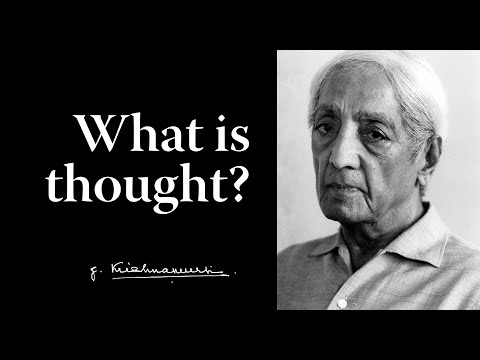
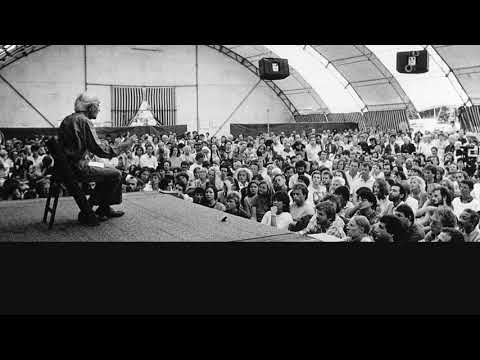
J. Krishnamurti defines thinking as a material process by which the brain relies on memory, knowledge, and past experiences to analyze information and make decisions [19, “The Ending of Time – Discussion on materialism and conflict”; 21, “What is thought?”].
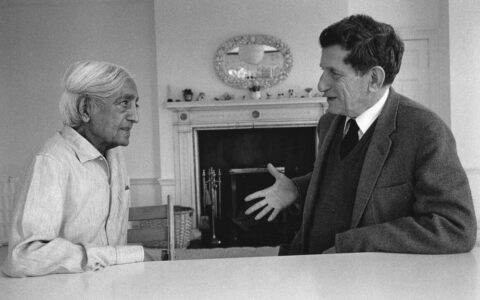
While he acknowledges that rational thought is necessary for daily functioning and scientific endeavors, he draws a strict distinction between practical thinking and self-centered thought, which he views as highly problematic [2, “David Bohm on Krishnamurti and the problem of thought.”].
He argues that self-centered thought is inherently limited by the past and creates an illusory concept of the “self” [2, “David Bohm on Krishnamurti and the problem of thought.”; 21, “What is thought?”].
Rather than the self being the originator of our thoughts, thought actually generates the illusion of the self and constantly triggers powerful defense mechanisms to protect it [2, “David Bohm on Krishnamurti and the problem of thought.”].
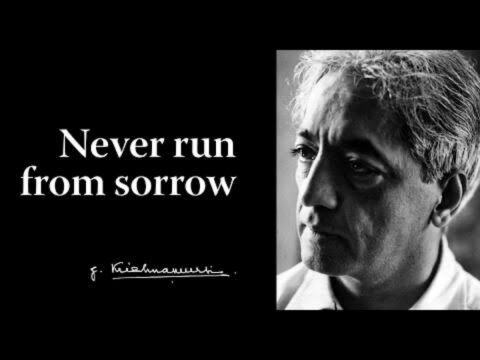
People should be paying close attention to this because self-centered thought is identified as the fundamental root cause of human suffering, conflict, and disorder [16, “Never run from sorrow”].
Krishnamurti suggests that our psychological thinking is deeply conditioned, rooted in fear, and driven by desire, which inevitably leads to self-deception and irrationality [10, “Great interview of Dr. David Suzuki with Dr. David Bohm, physicist, colleague of Dr. Albert Einstein”; 21, “What is thought?”].
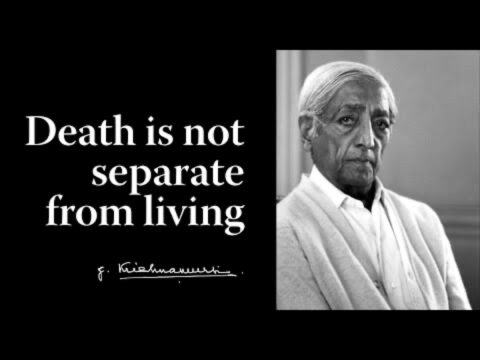
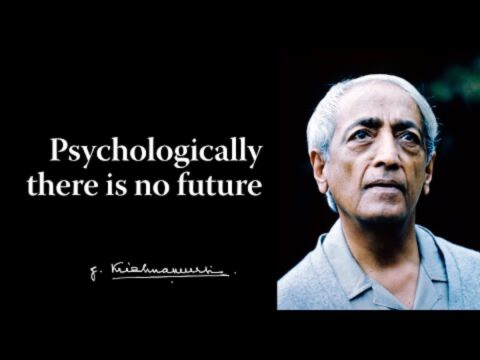
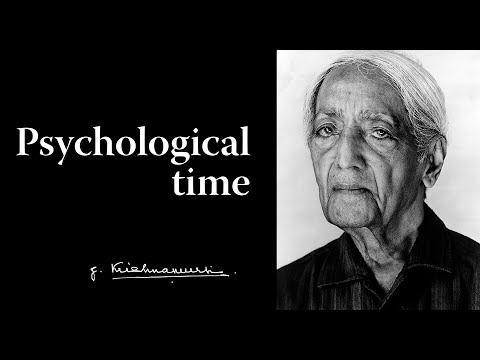
This mental conditioning creates biases that prevent clear perception, divides people through conflicting ideologies, and creates a false sense of “psychological time”—the illusion that the “me” is somehow evolving toward a better future [6, “Ending disorder is the ending of death”; 13, “Ideologies divide people”; 17, “Psychological time”].
Because this kind of thought is tied to our past, relying on it for psychological security only perpetuates human misery, aggression, and loneliness [6, “Ending disorder is the ending of death”; 16, “Never run from sorrow”].
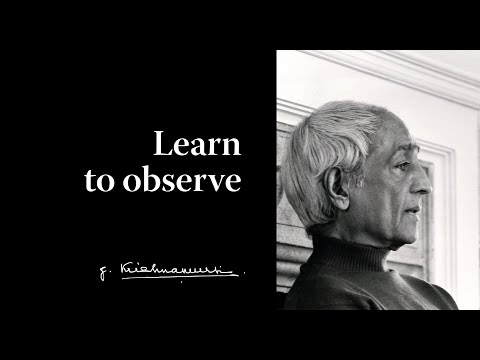
To break free from this destructive cycle, Krishnamurti advocates for the cessation of self-centered thought through deep, unconditioned observation [1, “A different kind of energy”; 15, “Learn to observe”; 20, “To be aware of our past “].
By being acutely watchful and attentive to our emotional reactions—such as fear, pleasure, and sorrow—without trying to escape them, the deeply ingrained process of reactive thinking can naturally come to an end [15, “Learn to observe”; 19, “The Ending of Time – Discussion on materialism and conflict”].
Ultimately, liberating humanity from this self-centered conditioning allows for a radical “mutation” in how the mind operates [2, “David Bohm on Krishnamurti and the problem of thought.”; 21, “What is thought?”].
An empty, highly observant mind can then access a fundamentally different, new quality of energy that is free from the friction and destructiveness of traditional thought, paving the way for genuine creative growth and personal transformation [1, “A different kind of energy”; 2, “David Bohm on Krishnamurti and the problem of thought.”].