Inflation is a term that has become increasingly familiar in our daily lives, often associated with rising prices, a diminishing purchasing power, and economic instability.
The argument made here is the role of corporate greed and the influence of corporations in setting prices and causing inflation.
We have curated videos by Richard Wolff and Robert Reich, as well as articles that explain historical policies initiated by figures like Franklin D. Roosevelt, Harry S. Truman, and Richard Nixon in their efforts to control prices and combat inflation.
The Corporate Greed Perspective
Richard Wolff, a renowned economist, has long argued that corporate greed plays a significant role in inflationary pressures.
He posits that when corporations prioritize profit maximization above all else, they are more inclined to increase prices to boost their bottom line. In essence, this behavior can lead to a self-perpetuating cycle where rising prices cause inflation, further eroding the purchasing power of consumers.
Wolff’s perspective highlights the need for greater regulation and oversight of corporations to prevent unchecked price hikes. Without such safeguards, corporations can exploit their market dominance and set prices as they see fit, contributing to inflationary pressures.
The Influence of Monopoly Power
Robert Reich, former U.S. Secretary of Labor, also contends that inflation is exacerbated by the monopoly power that some corporations possess.
When a single company or a small group of companies dominate a particular market, they can dictate prices without the fear of competitive pressures. This concentration of power allows them to increase prices without the risk of losing customers, resulting in inflationary trends.
Reich’s argument underscores the importance of antitrust laws and policies that aim to break up monopolies or prevent their formation. By fostering competition, such policies can mitigate the ability of corporations to set prices arbitrarily and contribute to inflation.
Historical Policies and Attempts at Price Control
Throughout history, several U.S. presidents, including Franklin D. Roosevelt, Harry S. Truman, and Richard Nixon, have recognized the need to control prices to combat inflation.
- Franklin D. Roosevelt: During the Great Depression, President Roosevelt initiated the National Industrial Recovery Act (NIRA) and the Agricultural Adjustment Act (AAA). These policies aimed to stabilize prices by regulating production and preventing excessive price fluctuations.
- Harry S. Truman: After World War II, Truman faced the challenge of wartime inflation. He implemented price controls through the Economic Stabilization Act of 1947, which allowed the government to intervene in the economy and limit price increases.
- Richard Nixon: In response to the inflationary pressures of the 1970s, President Nixon imposed wage and price controls through the Economic Stabilization Act of 1970. These controls were an attempt to rein in inflation and ensure economic stability.
Here is a curated list of talks and articles by financial professionals and economist talking about the real reason behind inflation and how to fix it.
-

Yanis Varoufakis on the death of capitalism, Starmer and the tyranny of big tech
The UK and Europe are irrelevant in the big tech market, according to a Greek economist. He discusses feudalism and techno feudalism. This is the most insightful analysis on the current state of the world economy and why we need a recalibration of...The UK and Europe are irrelevant in the big tech market, according to a Greek economist. He discusses feudalism and techno feudalism. This is the most insightful analysis on the current state of the world economy and why we need a recalibration of... -

The Plan Is To Make You Permanently Poorer
In 2011, while working as a City trader, Gary Stevenson (@garyseconomics) joined the ultra rich with a single bonus cheque. Not long after he was named one of Citibank’s highest performing traders worldwide. Stevenson made millions for his emplo...In 2011, while working as a City trader, Gary Stevenson (@garyseconomics) joined the ultra rich with a single bonus cheque. Not long after he was named one of Citibank’s highest performing traders worldwide. Stevenson made millions for his emplo... -
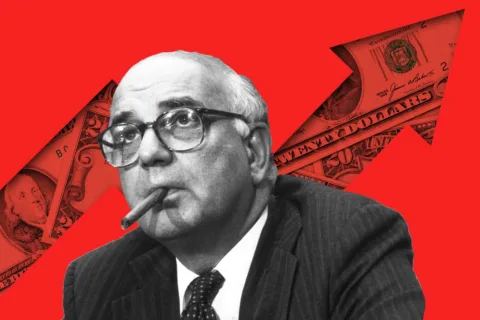
The messy true story of the last time we beat inflation
The Fed's policies, particularly the increase in interest rates, are a double-edged sword. While intended to cool down inflation by reducing spending and investment, they also have immediate negative effects on the average person. Higher intere...The Fed's policies, particularly the increase in interest rates, are a double-edged sword. While intended to cool down inflation by reducing spending and investment, they also have immediate negative effects on the average person. Higher intere... -

Democracy at Work: Curing Capitalism
Richard Wolff, an economist and critic of capitalism, discusses the fundamental issues and potential solutions within the capitalist system. He highlights the historical context of capitalism, referencing economists like John Maynard Keynes and Ka...Richard Wolff, an economist and critic of capitalism, discusses the fundamental issues and potential solutions within the capitalist system. He highlights the historical context of capitalism, referencing economists like John Maynard Keynes and Ka... -

Political Divides Deepen - inflation education rents gun industry
(00:24) Welcome, friends, to another edition of *Economic Update,* a weekly program focused on the economic dimensions of our lives. I’m your host, Richard Wolff. Today, I’ll discuss the ongoing impact of gun violence, the global consequences of...(00:24) Welcome, friends, to another edition of *Economic Update,* a weekly program focused on the economic dimensions of our lives. I’m your host, Richard Wolff. Today, I’ll discuss the ongoing impact of gun violence, the global consequences of... -
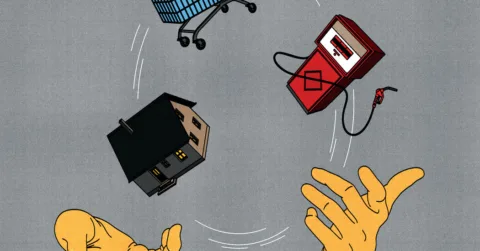
Fighting Inflation Means Taking On Corporations
This opinion piece argues that fighting inflation requires taking on corporations, as their choices largely contribute to rising prices. The author cites historical examples of presidents successfully combating inflation by challenging corporate p...This opinion piece argues that fighting inflation requires taking on corporations, as their choices largely contribute to rising prices. The author cites historical examples of presidents successfully combating inflation by challenging corporate p...