
Climate change, once a distant threat, has now firmly established itself as an existential crisis. Its effects have become increasingly evident, with extreme weather events serving as undeniable harbingers of its arrival. This essay delves into the existential nature of climate change, emphasizing that half measures are inadequate, corporate influence hinders real action, and it will cause economic damage and inflation.
Extreme Weather as a Sure Sign of Climate Change
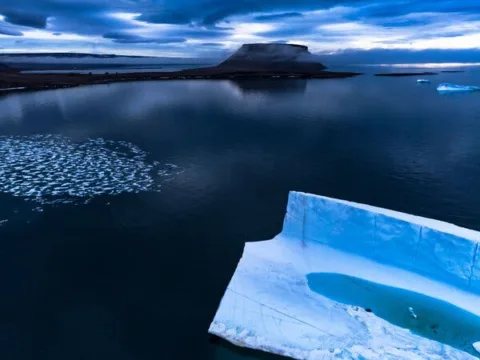
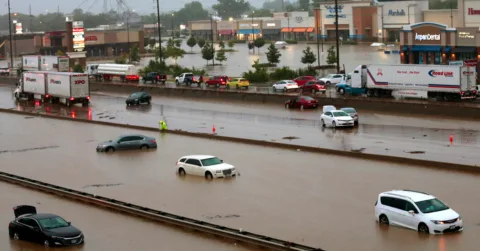
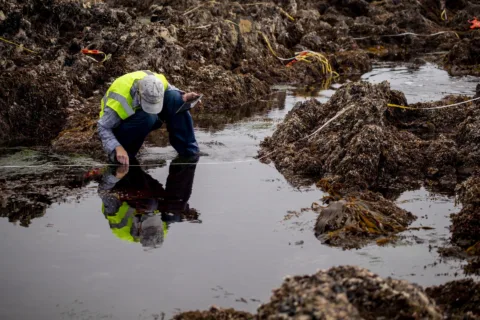
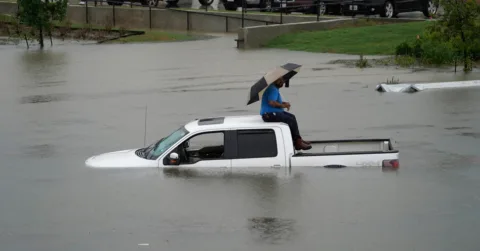
Extreme weather events have become an inescapable reality of our time. From devastating hurricanes and wildfires to record-breaking heatwaves and floods, the planet is witnessing the wrath of a changing climate. These events are not isolated occurrences but are interconnected manifestations of climate change.
One of the most compelling pieces of evidence is the intensification and frequency of these events. The scientific consensus is clear: climate change amplifies the severity and occurrence of extreme weather.
Rising temperatures fuel more intense hurricanes, prolonged droughts, and erratic weather patterns. The correlation between these phenomena and climate change cannot be ignored, making extreme weather a sure sign that the existential crisis of climate change is upon us.

Half Measures Are Not Sufficient
Addressing climate change demands a holistic and wholehearted commitment, yet society often falls short, taking only incremental or half-hearted actions. Governments set targets but frequently lack the political will to enforce them.
Individuals make small lifestyle changes but resist deeper transformations. Such half measures, while better than inaction, are insufficient to mitigate the existential threat of climate change.
To combat climate change effectively, we must fundamentally alter our energy systems, transportation methods, and consumption patterns.
Transitioning to renewable energy sources, reimagining urban planning, and embracing sustainable agriculture are just a few examples of the profound changes needed. The reluctance to undertake such transformations is a grave impediment to progress.
In order to do this we need to be well informed and not succumb to easy answers.
-
The Race to Save the Panama Canal
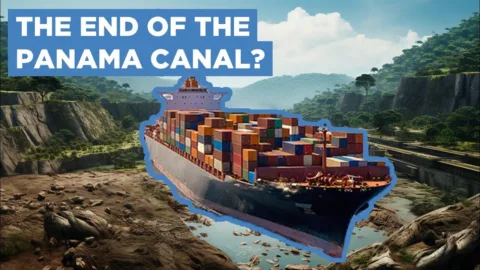
History of Panama canel and consequences of Climate change on our economy. The issue is that due to climate change we have reduced rain fall and this has endagered the Panama Canal. [00:01] Panama Canal facing water shortage - Water scarcity causing...History of Panama canel and consequences of Climate change on our economy. The issue is that due to climate change we have reduced rain fall and this has endagered the Panama Canal. [00:01] Panama Canal facing water shortage - Water scarcity causing... -

As Climate Shocks Multiply, Designers Seek Holy Grail: Disaster-Proof Homes
As climate change leads to more extreme weather events, designers are focusing on creating disaster-proof homes to protect against climate shocks. Geodesic domes and other resilient home designs are gaining attention from climate-conscious home bu...As climate change leads to more extreme weather events, designers are focusing on creating disaster-proof homes to protect against climate shocks. Geodesic domes and other resilient home designs are gaining attention from climate-conscious home bu... -

How to Think About Green Industrial Policy
The Inflation Reduction Act, enacted by the Biden administration, is a climate bill that offers subsidies to businesses and consumers to adopt green technologies. While the protectionist aspects of the legislation have irked other nations, the buy...The Inflation Reduction Act, enacted by the Biden administration, is a climate bill that offers subsidies to businesses and consumers to adopt green technologies. While the protectionist aspects of the legislation have irked other nations, the buy... -
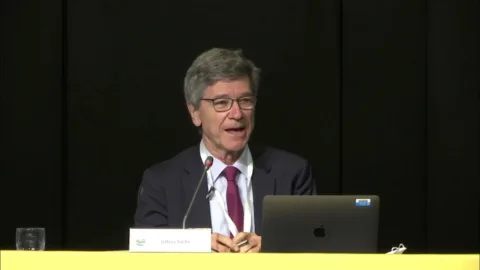
Jeffrey Sachs To save our planet what we must have is the accountability of all for the Common Good
(00:00) thank you very much and it is indeed a joy for all of us to be together in person and with the community signage idiot we look forward to this so much uh and it's uh it's a great honor and pleasure to be here pope francis in ladatosi said th...(00:00) thank you very much and it is indeed a joy for all of us to be together in person and with the community signage idiot we look forward to this so much uh and it's uh it's a great honor and pleasure to be here pope francis in ladatosi said th... -
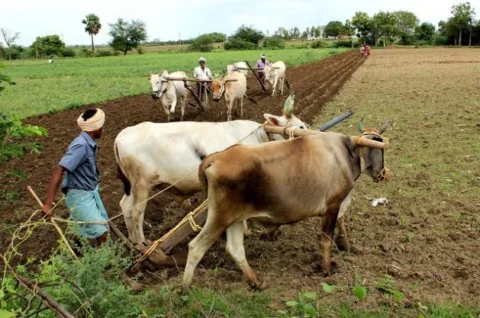
We Need Biodiversity-Based Agriculture to Solve the Climate Crisis
Biodiversity-based agriculture is necessary to solve the climate crisis. The Earth's biodiversity has evolved over 4 billion years and can sustain life, but our fossil fuel-based economy has disrupted key climate systems and pushed species to extin...Biodiversity-based agriculture is necessary to solve the climate crisis. The Earth's biodiversity has evolved over 4 billion years and can sustain life, but our fossil fuel-based economy has disrupted key climate systems and pushed species to extin... -
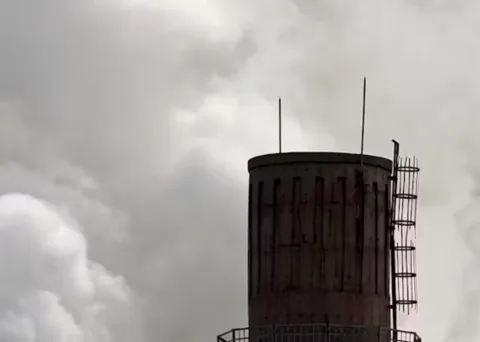
China is positioned to lead on climate change as the US rolls back its policies
Efforts to Reduce Greenhouse Gas Emissions and Climate Action: A Focus on China's Policies and Challenges 1. U.N. Secretary-General's Call for Climate Action: - U.N. Secretary-General António Guterres has urged nations to intensify efforts in redu...Efforts to Reduce Greenhouse Gas Emissions and Climate Action: A Focus on China's Policies and Challenges 1. U.N. Secretary-General's Call for Climate Action: - U.N. Secretary-General António Guterres has urged nations to intensify efforts in redu... -
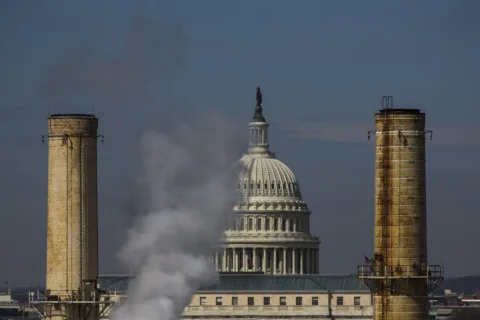
Fossil Fuel Subsidies Cost U.S. More than Defense Budget: We need structural change
The International Monetary Fund (IMF) reported that the United States spent more on fossil fuel subsidies than on defense in 2015, with $649 billion allocated to coal, oil, and gas subsidies compared to $599 billion on defense. These subsidies, wh...The International Monetary Fund (IMF) reported that the United States spent more on fossil fuel subsidies than on defense in 2015, with $649 billion allocated to coal, oil, and gas subsidies compared to $599 billion on defense. These subsidies, wh... -
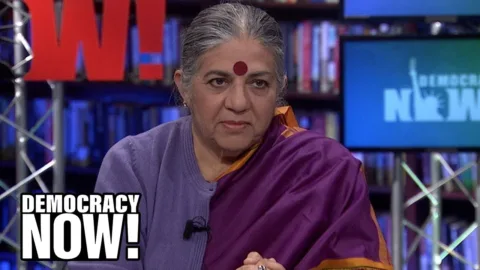
Vandana Shiva: We Must Fight Back Against the 1 Percent to Stop the Sixth Mass Extinction
Amy talks to Vandana Shiva, a world renowned climate activist who actually offers solutions for how we can fight climate change and save our food supply. She talks about global conglomerate who are killing the planet by promoting products that cont...Amy talks to Vandana Shiva, a world renowned climate activist who actually offers solutions for how we can fight climate change and save our food supply. She talks about global conglomerate who are killing the planet by promoting products that cont... -
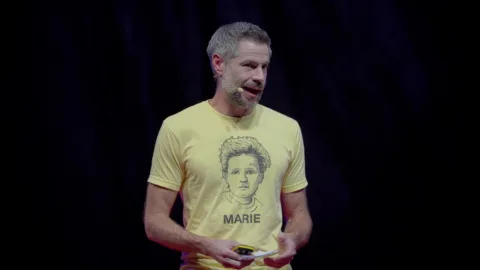
Why renewables can not save the planet
Memories of camping in California and appreciation for wildlife led to a career in environmental activism, but technical and political challenges remain for renewable energy solutions. [00:00] Efforts to combat climate change encountered problems d...Memories of camping in California and appreciation for wildlife led to a career in environmental activism, but technical and political challenges remain for renewable energy solutions. [00:00] Efforts to combat climate change encountered problems d...
Corporate Influence Hinders Real Action
Corporate interests wield significant influence over climate policy and action, often prioritizing short-term profits over long-term sustainability. The fossil fuel industry, for instance, has historically resisted meaningful climate action, perpetuating a reliance on fossil fuels. Corporate lobbying and campaign financing further entrench the status quo, making it challenging for governments to enact robust climate policies.
Real action on climate change requires disentangling corporate influence from policymaking, holding corporations accountable for their environmental impact, and incentivizing sustainable practices. Failure to do so not only hinders progress but also perpetuates the existential threat posed by climate change.
-

How the gas industry capitalized on the Ukraine war to change Biden policy
1. Gas industry capitalized on Ukraine war to change Biden policy: - The US gas industry saw an opportunity to push its agenda after the onset of the Ukraine war. - The industry group LNG Allies sent a letter to the Biden administration with a list ...1. Gas industry capitalized on Ukraine war to change Biden policy: - The US gas industry saw an opportunity to push its agenda after the onset of the Ukraine war. - The industry group LNG Allies sent a letter to the Biden administration with a list ... -
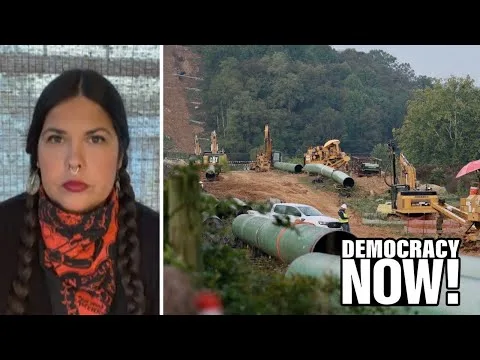
This Is Not a Climate Solution: Indigenous Land Defender Warns Senate Bill Will Aid Fossil Fuels
The Senate passed a $739 billion bill to address climate change, reduce drug costs, and establish a minimum tax for large corporations. It aims to cut US carbon emissions by 40% by the end of the decade, but includes controversial provisions added...The Senate passed a $739 billion bill to address climate change, reduce drug costs, and establish a minimum tax for large corporations. It aims to cut US carbon emissions by 40% by the end of the decade, but includes controversial provisions added... -
Vandana Shiva: We Must Fight Back Against the 1 Percent to Stop the Sixth Mass Extinction
Amy talks to Vandana Shiva, a world renowned climate activist who actually offers solutions for how we can fight climate change and save our food supply. She talks about global conglomerate who are killing the planet by promoting products that cont...Amy talks to Vandana Shiva, a world renowned climate activist who actually offers solutions for how we can fight climate change and save our food supply. She talks about global conglomerate who are killing the planet by promoting products that cont...
Economic Damage and Inflation: Consequences of Climate Change
Beyond the environmental impact, climate change is poised to inflict severe economic damage. The increased frequency of extreme weather events disrupts supply chains, damages infrastructure, and leads to higher insurance costs. Moreover, the long-term effects of climate change, such as sea-level rise and agricultural disruption, pose significant economic risks.
One concerning consequence of climate change is its potential to contribute to inflation. Extreme weather events can disrupt the production of essential goods, leading to supply shortages and increased prices. Additionally, the need for extensive infrastructure repair and adaptation measures can strain government budgets and lead to higher taxes or inflationary pressures.
-
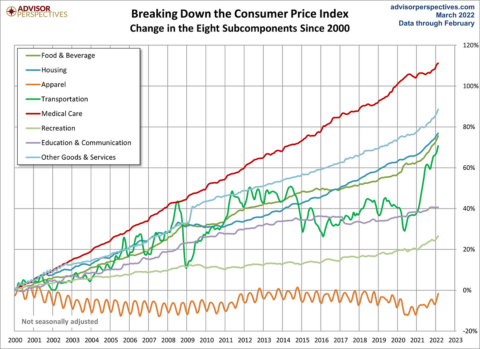
You Call It - Inflation, I Call It a - Dying Planet
This article discusses the current state of inflation and argues that it is a result of climate change and a dying planet. The author criticizes leaders for ignoring the effects of climate change and failing to address the relationship between ris...This article discusses the current state of inflation and argues that it is a result of climate change and a dying planet. The author criticizes leaders for ignoring the effects of climate change and failing to address the relationship between ris...
Conclusion
The existential nature of climate change is evident in the undeniable link between extreme weather events and a changing climate. Half measures and corporate influence stand as obstacles to real action, hindering our ability to confront this crisis effectively. Moreover, climate change’s economic consequences, including damage and inflation, underscore the urgency of taking decisive action to mitigate its impact. To address this existential threat, we must collectively commit to meaningful change, transitioning to sustainable practices and holding those who resist accountable. Failure to do so will not only exacerbate the effects of climate change but also jeopardize the future of our planet and humanity itself.